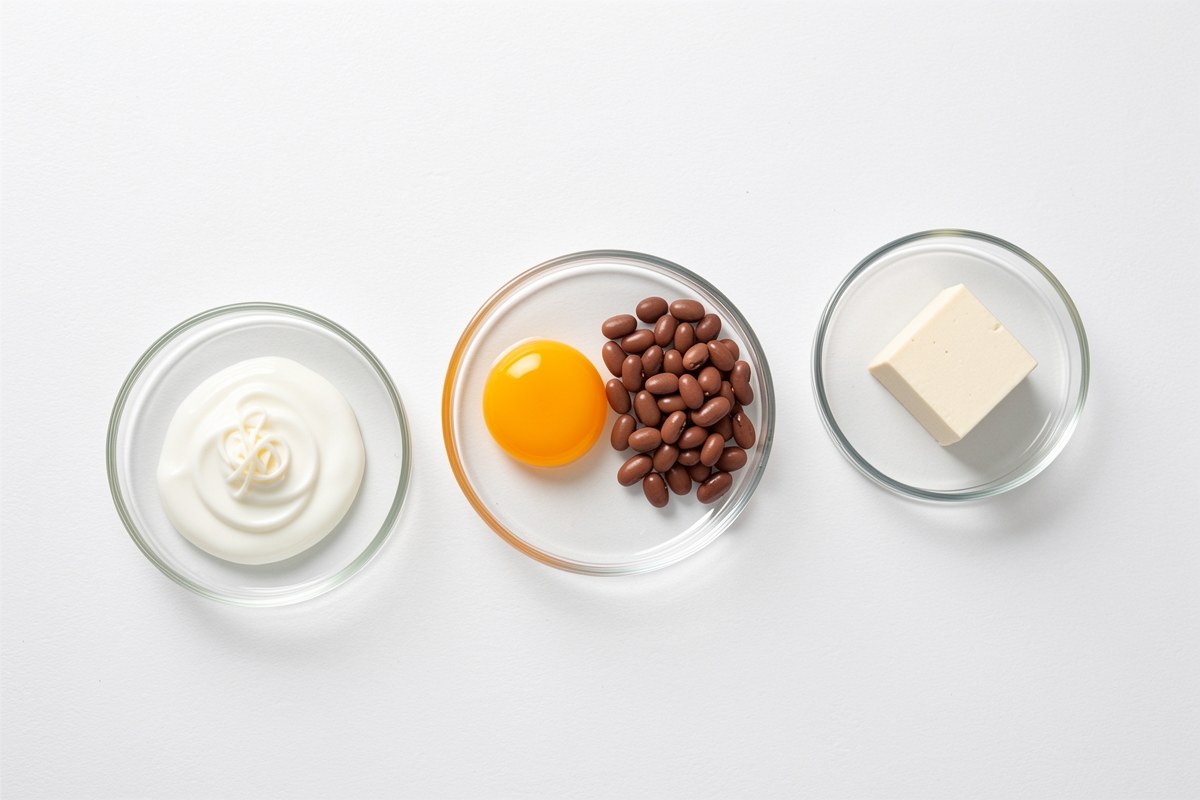
What Is Protein Quality and How Is It Measured?
Protein quality refers to how well a protein source provides the essential amino acids your body needs and how digestible it is. Two main scoring systems help compare: the Protein Digestibility-Corrected Amino Acid Score (PDCAAS) and the Digestible Indispensable Amino Acid Score (DIAAS).
PDCAAS, developed in 1989 by a joint FAO/WHO expert consultation, compares the amino acid content of a test protein to a reference pattern and corrects for digestibility using fecal nitrogen. Scores are capped at 1.00. DIAAS, introduced by the FAO in 2011, uses ileal digestibility of individual amino acids for a more precise measure. DIAAS values are not capped; for example, cow milk has a DIAAS of 1.16.
- Animal proteins like milk, whey, casein, eggs, and beef often have PDCAAS values at or near 1.00.
- Most plant proteins have lower scores, but soy is an exception with a PDCAAS of 1.00 and DIAAS around 0.99.
- Combining plant proteins with different amino acid profiles can improve overall quality; for instance, a blend of pea and rice protein at 40–90% pea protein can reach a PDCAAS of 1.00.
Sources: Nutrients (MDPI) via PubMed Central, Proceedings of the National Academy of Sciences
Amino Acid Profiles: Animal vs. Plant Proteins
Amino acid profiles differ significantly between animal and plant proteins. Animal proteins are typically 'complete,' containing all essential amino acids in adequate amounts. Plant proteins often lack sufficient amounts of one or more essential amino acids: legumes are frequently low in methionine and cysteine, while grains are typically limiting in lysine.
Animal proteins also tend to have higher levels of certain essential amino acids, especially leucine and lysine, and are generally more digestible than most plant proteins. However, soy protein is again an exception, offering an amino acid profile and digestibility comparable to animal sources.
- Animal proteins: complete profile, no single limiting amino acid.
- Plant proteins: limiting amino acids vary by type—legumes (methionine/cysteine), grains (lysine).
- Soy: complete profile with high digestibility.
Sources: Nutrients (MDPI) via PubMed Central
The Protein Package: Beyond Amino Acids
The health effects of protein foods depend not only on the protein itself but on the 'package' of accompanying nutrients, such as saturated fat, sodium, fiber, and other bioactive compounds. Animal protein foods like red meat and full-fat dairy can be high in saturated fat, which can raise cholesterol and increase cardiovascular disease risk. Choosing lean cuts and moderation is advised.
Plant protein sources often come with beneficial fiber and are typically low in saturated fat and cholesterol-free, contributing to a package that supports heart health. However, processed plant-based meats can be high in sodium, so whole plant foods are generally preferable.
- Animal proteins: provide vitamin B12, heme iron, but may contain saturated fat and cholesterol; no fiber.
- Plant proteins: rich in fiber, low in saturated fat, no cholesterol.
- Choose whole or minimally processed sources to get the best nutritional package.
Sources: Harvard Health Publishing, Harvard T.H. Chan School of Public Health, Advances in Nutrition (Oxford Academic) via PubMed Central
Health Effects of Different Protein Sources
Dietary patterns emphasizing plant proteins are associated with lower risks of certain chronic diseases, including type 2 diabetes, hypertension, and ischemic heart disease. Conversely, high consumption of red meat and processed meat is associated with increased risk of cardiovascular disease and mortality. Replacing one serving per day of red meat with nuts, poultry, whole grains, or fish is associated with lower risk.
The evidence comes largely from observational studies, which show associations rather than proof of causation. Still, the pattern is consistent: shifting toward plant-based proteins and leaner animal choices is linked to better health outcomes.
- Plant-based patterns: linked to lower risk of type 2 diabetes, hypertension, and heart disease.
- High red/processed meat intake: associated with higher cardiovascular risk.
- Substituting red meat with nuts, poultry, fish, or whole grains is associated with lower risk.
Sources: Frontiers in Nutrition via PubMed Central, Advances in Nutrition (Oxford Academic) via PubMed Central, University of Georgia Extension
Environmental and Ethical Considerations
Animal protein production generally has higher greenhouse gas emissions, water use, and land use compared to most plant-based proteins, though there is variation (e.g., poultry and eggs can have comparable footprints to legumes on some metrics). Choosing plant proteins more often can reduce environmental impact.
Ethical considerations, such as animal welfare, are also personal. This guide focuses on nutritional and environmental aspects, but these factors may influence your choices.
- Animal proteins generally have higher GHG emissions and land/water use per gram of protein.
- Poultry and eggs can have lower footprints than beef or lamb.
- Plant proteins generally have lower environmental impact.
Sources: University of Georgia Extension, Frontiers in Nutrition via PubMed Central
Choosing the Best Protein Sources for Your Diet
There is no single 'best' protein for everyone. A balanced approach includes a variety of sources that meet your amino acid needs while fitting into a healthy eating pattern. If you include animal proteins, choose lean cuts and fatty fish; if you prefer plant proteins, incorporate soy, legumes, and whole grains—and consider complementary combinations to ensure all essential amino acids are consumed.
Remember that protein quality is just one factor. The overall dietary pattern, including the protein package and other nutrients, matters for long-term health.
- Include a mix of animal and/or plant proteins based on your preferences and needs.
- For plant proteins, rely on soy and pair grains with legumes (e.g., rice and beans) to improve amino acid completeness.
- Choose whole foods over processed options to avoid excess sodium and saturated fat.
- Limit red and processed meats, and opt for poultry, fish, nuts, and legumes more often.
Sources: Nutrients (MDPI) via PubMed Central, Harvard Health Publishing, Advances in Nutrition (Oxford Academic) via PubMed Central
Protein Quality Comparison Table
The table below compares general categories and specific plant sources. Note that values are point estimates for typical foods and can vary by product.
This table is adapted from figures cited by the PNAS perspective (2024).
| Option | Category | PDCAAS |
|---|---|---|
| Animal protein sources (general) | Protein source | At or very near 1.00 for milk, whey, casein, eggs, beef, poultry, pork, seafood; scores truncated at 1.00 |
| Plant protein sources (general) | Protein source | Generally lower: oat 0.57, soy 1.00, wheat 0.45, chickpea 0.84, pea 0.78, fava 0.58, lentils 0.91, quinoa 0.79 |
| Soy protein (whole foods or isolates) | Protein source | 1.00 |
| Pea and rice protein blend | Protein source | Can reach 1.00 when blended (40–90% pea protein) |
Sources: Nutrients (MDPI) via PubMed Central, Proceedings of the National Academy of Sciences, Harvard Health Publishing, Harvard T.H. Chan School of Public Health, University of Georgia Extension, Frontiers in Nutrition via PubMed Central
Frequently asked questions
Is animal protein better than plant protein?
Animal proteins generally have higher protein quality scores, but plant proteins can be adequate when you eat a variety of sources or choose soy. The health effects depend on the full package of nutrients, so a diet rich in plant proteins—or a mix that includes lean animal proteins—can support good health.
Sources: Nutrients (MDPI) via PubMed Central, University of Georgia ExtensionWhat is a high-quality protein?
A high-quality protein provides all essential amino acids in amounts your body can use and is easily digestible. Common examples include animal proteins like milk, eggs, and beef, as well as soy. Protein quality is measured with tools like DIAAS and PDCAAS.
Sources: Nutrients (MDPI) via PubMed Central, Proceedings of the National Academy of SciencesDo you need to combine plant proteins to make them complete?
Not necessarily. Eating a variety of plant proteins over the course of a day usually provides all essential amino acids. While individual plant proteins may be low in one or more amino acids, complementary combinations (like rice and beans) can achieve a complete profile, and certain plant proteins like soy are already complete.
Sources: Nutrients (MDPI) via PubMed CentralWhat are the health risks of eating too much red meat?
High consumption of red meat, especially processed meat, is associated with an increased risk of cardiovascular disease and mortality. Replacing one serving per day of red meat with nuts, poultry, fish, or whole grains is linked to lower risk. It's advisable to limit red meat intake and choose leaner protein sources often.
Sources: Advances in Nutrition (Oxford Academic) via PubMed Central, University of Georgia ExtensionWhich protein is better for the environment?
In general, plant-based protein sources have lower environmental impacts, including fewer greenhouse gas emissions and less land and water use, compared to most animal-based sources. However, poultry and eggs can have footprints comparable to legumes on some measures, showing that choices vary within categories.
Sources: University of Georgia Extension, Frontiers in Nutrition via PubMed CentralSources
- Plant Proteins: Assessing Their Nutritional Quality and Effects on Health and Physical Function — Nutrients (MDPI) via PubMed Central
- Sustaining Protein Nutrition Through Plant-Based Foods — Frontiers in Nutrition via PubMed Central
- Plant Protein and Animal Proteins: Do They Differentially Affect Cardiovascular Disease Risk? — Advances in Nutrition (Oxford Academic) via PubMed Central
- High-protein foods: The best protein sources to include in a healthy diet — Harvard Health Publishing
- Protein - The Nutrition Source — Harvard T.H. Chan School of Public Health
- Protein Showdown: Comparison of Plant-Based and Animal-Based Foods — University of Georgia Extension
- The Role of the Anabolic Properties of Plant- versus Animal-Based Protein Sources in Supporting Muscle Mass Maintenance: A Critical Review — Nutrients (MDPI) via PubMed Central
- A perspective on the environmental impact of plant-based protein concentrates and isolates — Proceedings of the National Academy of Sciences