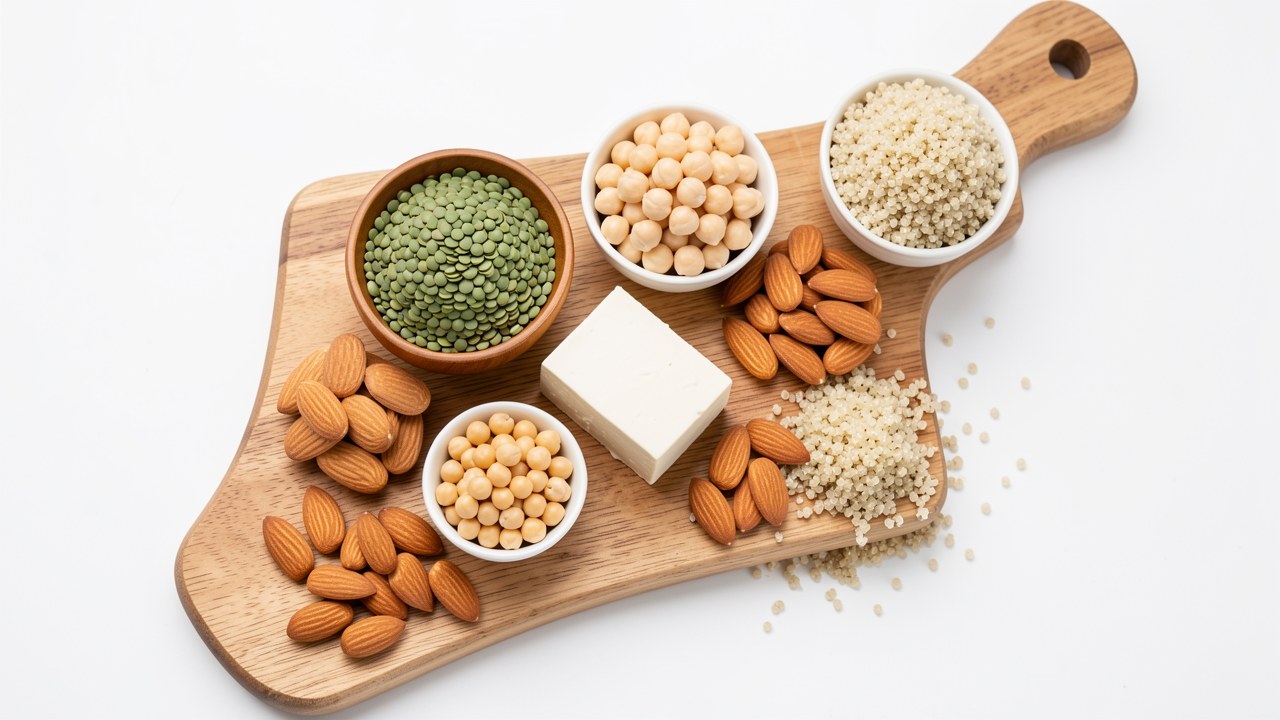
Protein Quality in Plant Foods and Complementary Proteins
Protein is built from amino acids, and your body needs nine essential amino acids from food. Most animal-based foods are 'complete' proteins because they supply all nine in adequate amounts. Many plant foods are considered 'incomplete' because they are low in one or more essential amino acids. However, this does not mean plant proteins are inferior—you can easily get all the amino acids you need by eating a variety of plant foods throughout the day.
Complementary proteins are two incomplete plant protein sources that, when combined, provide all the essential amino acids. For example, grains are usually low in lysine, while legumes are low in methionine or tryptophan, so eating rice with beans creates complementary proteins. Traditional advice suggested combining such foods at the same meal, a practice called protein complementation. Today, experts emphasize that eating a variety of plant proteins over the course of a day is more important than strict meal-time pairing. Your body pools amino acids from foods eaten at different times, so as long as your overall diet is varied and contains enough protein, you will meet your needs.
Sources: Texas A&M AgriLife Extension, CalState Pressbooks (Nutrition and Physical Fitness)
Legumes: Beans, Lentils, and Peas
Legumes are the workhorses of plant-based protein. Lentils lead the pack, offering about 18 grams of protein per cooked cup. Cooked beans—like black, pinto, and kidney beans—provide about 15 grams per cup, and chickpeas offer about 14 grams per cup. Green peas are also legumes, delivering 8 grams of protein per cooked cup.
According to USDA MyPlate, beans, peas, and lentils belong in the Protein Foods Group because they are excellent sources of plant protein and also provide fiber, potassium, iron, and zinc. Adding a serving of legumes to soups, salads, grain bowls, or stews is an easy way to boost your protein intake.
Sources: Texas A&M AgriLife Extension, Colorado State University - Kendall Reagan Nutrition Center
Soy Foods: Tofu, Tempeh, and Edamame
Soy is unique among plant proteins because it is a complete protein, meaning it provides all nine essential amino acids. Firm tofu delivers about 24 grams of protein per cup, while tempeh—a fermented soy product—offers a hefty 34 grams per cup. Edamame, or young soybeans, provides about 18 grams of protein per cup. Cooked soybeans themselves contain 29 grams of protein per cup.
Including a daily serving of soy is simple: add cubed tofu to stir-fries, crumble tempeh into tacos or pasta sauces, or enjoy steamed edamame as a snack. Because soy is complete, you can rely on it as a core protein source without worrying about amino acid gaps.
Sources: CalState Pressbooks (Nutrition and Physical Fitness), Colorado State University - Kendall Reagan Nutrition Center
Nuts and Seeds
Nuts and seeds provide protein along with healthy fats and fiber. Almonds offer about 6 grams of protein per quarter-cup, while walnuts provide about 4 grams. Chia seeds shine with 9 grams of protein per 3-tablespoon serving, and hemp seeds are even higher, with 10 grams per 3 tablespoons—and they are a complete protein. Chia seeds are also considered a complete protein source according to some nutrition resources.
Many nuts and seeds are low in lysine, an essential amino acid, but you can compensate by combining them with legumes or soy. A handful of nuts makes a convenient snack, while chia seeds can be stirred into oatmeal, smoothies, or puddings. Hemp seeds add a nutty flavor to salads and yogurt.
Sources: Texas A&M AgriLife Extension, Colorado State University - Kendall Reagan Nutrition Center
Whole Grains and Pseudograins: Quinoa and Amaranth
Whole grains like wild rice and oats contribute about 6 grams of protein per cooked cup, making them a respectable protein source beyond their carbohydrate content. Quinoa and amaranth, often called pseudocereals, are nutritionally superior: they are naturally gluten-free, complete proteins, and rich in the amino acid lysine. A cooked cup of quinoa provides about 8 grams of protein, while amaranth offers about 9 grams.
Using quinoa or amaranth as a base for grain bowls, pilafs, or breakfast porridge boosts your protein intake while adding important minerals like iron and magnesium. Because they are complete proteins, you can treat them as a staple rather than a side dish.
Sources: Texas A&M AgriLife Extension, Frontiers in Nutrition (via PubMed Central)
Protein Content per Serving for Common Plant Foods
This table summarizes the approximate protein content of a range of plant foods. Values can vary with brand and preparation, so use them as a general guide.
| Food | Serving Size | Protein (g) |
|---|---|---|
| Firm tofu | 1 cup | 24 |
| Tempeh | 1 cup | 34 |
| Edamame | 1 cup | 18 |
| Soybeans, cooked | 1 cup | 29 |
| Lentils, cooked | 1 cup | 18 |
| Black beans, cooked | 1 cup | 15 |
| Chickpeas, cooked | 1 cup | 14 |
| Green peas, cooked | 1 cup | 8 |
| Quinoa, cooked | 1 cup | 8 |
| Amaranth, cooked | 1 cup | 9 |
| Almonds | 1/4 cup | 6 |
| Walnuts | 1/4 cup | 4 |
| Chia seeds | 3 tablespoons | 9 |
| Hemp seeds | 3 tablespoons | 10 |
Sources: Texas A&M AgriLife Extension, CalState Pressbooks (Nutrition and Physical Fitness), Colorado State University - Kendall Reagan Nutrition Center
Frequently asked questions
Can I get enough protein from plants alone?
Yes, you can get all the protein your body needs from plant sources. By consuming a variety of legumes, soy foods, nuts, seeds, and whole grains throughout the day, you can easily meet your daily protein target. The key is total protein intake and variety, not necessarily pairing specific foods at every meal.
Sources: Texas A&M AgriLife Extension, Colorado State University - Kendall Reagan Nutrition CenterIs plant protein as good as animal protein?
Plant proteins have different amino acid profiles, but they can support health just as well when you eat a varied diet. Many plant foods are incomplete, but this is not a disadvantage if you eat a mix of plant sources over time. Plant-based diets are often rich in fiber and healthy fats and are associated with a lower risk of heart disease, obesity, and type 2 diabetes.
Sources: Texas A&M AgriLife Extension, Frontiers in Nutrition (via PubMed Central)What is a complete protein? Which plant foods are complete?
A complete protein provides all nine essential amino acids in adequate amounts. Most animal foods are complete, but several plant foods also qualify. Soy (tofu, tempeh, edamame), quinoa, amaranth, buckwheat, hemp seeds, and seitan (wheat gluten) are all complete proteins. Some resources also consider chia seeds complete.
Sources: Colorado State University - Kendall Reagan Nutrition Center, Texas A&M AgriLife ExtensionHow do vegans ensure they get enough protein?
Vegans can easily meet protein needs by including protein-rich plant foods at each meal. For example, start the day with quinoa porridge or a tofu scramble, add lentils or chickpeas to lunches and dinners, and snack on nuts, seeds, or edamame. Because vegan diets often rely on legumes, soy, and whole grains, protein is naturally abundant when calories are adequate.
Sources: Texas A&M AgriLife Extension, Colorado State University - Kendall Reagan Nutrition CenterSources
- Do Plants Have Protein? — Texas A&M AgriLife Extension
- 7.4 Dietary Sources of Protein — CalState Pressbooks (Nutrition and Physical Fitness)
- Plant-based protein – A simple guide to getting enough — Colorado State University - Kendall Reagan Nutrition Center
- Protein 101 - The Basics — Texas A&M AgriLife Extension
- Sustaining Protein Nutrition Through Plant-Based Foods - PMC — Frontiers in Nutrition (via PubMed Central)