Protein Requirements for Different Types of Athletes
Whether you train for strength or endurance, your daily protein target is higher than that of a sedentary person. Current guidelines from the Academy of Nutrition and Dietetics, Dietitians of Canada, and the American College of Sports Medicine recommend that physically active individuals consume 1.2 to 2.0 grams of protein per kilogram of body weight each day. This range applies regardless of your sport.
Strength athletes often need protein at the higher end of that range. Research suggests 1.4 to 2.0 grams per kilogram daily, with the higher amount appropriate during phases of intense training or when you are restricting calories to maintain muscle mass. Endurance athletes also benefit from intakes within the general 1.2 to 2.0 grams per kilogram range, especially during heavy training blocks when muscle repair and adaptation are critical.
- Physically active adults: 1.2–2.0 g/kg/day
- Strength athletes: 1.4–2.0 g/kg/day
- Endurance athletes: 1.2–2.0 g/kg/day
Sources: Michigan State University Extension, University of Illinois
Protein Needs for Muscle Building
When you exercise, you create small tears in muscle fibers. Protein provides the amino acids needed to repair and rebuild them, which is how muscles grow stronger over time. But eating a single large protein-rich meal isn't enough; the timing and distribution across the day matter.
For optimal muscle protein synthesis, aim for 0.25 to 0.3 grams of high-quality protein per kilogram of body weight at each meal. For many athletes, that translates to roughly 20 to 40 grams per meal or snack. This consistent intake every 3 to 5 hours maximizes the muscle-building response compared to eating most protein at one meal.
During intense training or when you're cutting calories, move toward the upper end of your daily range. This helps preserve lean mass while your body is under greater stress or in a deficit.
- Aim for 0.25–0.3 g/kg protein at each meal (about 20–40 g for most adults).
- Space meals 3–5 hours apart to keep muscle protein synthesis elevated.
- Prioritize high-quality protein sources that contain all essential amino acids.
Sources: Michigan State University Extension, University of Illinois
Protein Timing Around Workouts: What the Evidence Says
The post-exercise window is well studied: consuming protein within 0 to 2 hours after training significantly boosts muscle protein synthesis. A goal of 0.25 to 0.3 grams per kilogram of body weight is a good target—for many athletes, that's about 20 to 40 grams of protein.
What about before exercise? Having a small amount of protein before a workout can help reduce muscle breakdown during the session and may slow carbohydrate absorption, providing a steadier fuel release. However, a large protein-heavy meal right before training can cause digestive discomfort. If you eat beforehand, allow time to digest or choose a lighter option.
During exercise, protein is generally unnecessary for most workouts; it may be considered for long-duration sessions. Your overall daily intake matters far more than any single pre- or intra-workout shake.
- Post-exercise: eat protein within 2 hours.
- Pre-exercise: a smaller protein snack is fine; avoid heavy meals immediately before.
- During exercise: not needed for most workouts.
Sources: Michigan State University Extension, University of Illinois
Whole-Food Protein Sources for Athletes
You can meet your protein needs entirely from food. Supplements are convenient but not more effective than whole foods for muscle growth. In fact, whole foods provide additional nutrients—such as iron, zinc, and B vitamins—that are important for athletic performance.
High-quality protein sources include lean meat, poultry, fish, eggs, dairy products, and soy. Dairy proteins like whey and casein appear particularly effective at stimulating muscle protein synthesis, and eggs are also a top-tier option. Plant-based athletes can combine beans, lentils, nuts, and whole grains to get all essential amino acids over the course of a day.
For a post-workout option that is both practical and effective, chocolate milk has been shown to support recovery thanks to its protein, carbohydrate, and electrolyte content—a real-world example of a food-based sports drink.
- Lean meats and poultry
- Fish and seafood
- Eggs
- Dairy (milk, yogurt, cottage cheese, cheese)
- Beans, lentils, and soy products
- Nuts and seeds
Sources: University of Nebraska-Lincoln Extension, Journal of the International Society of Sports Nutrition
Combining Protein with Carbohydrates for Refueling
Carbohydrates are the primary fuel for working muscles. For athletes, carbohydrates should make up 50–70% of total daily calories, depending on training volume. While protein repairs muscle, carbohydrates replenish glycogen stores that are depleted during exercise.
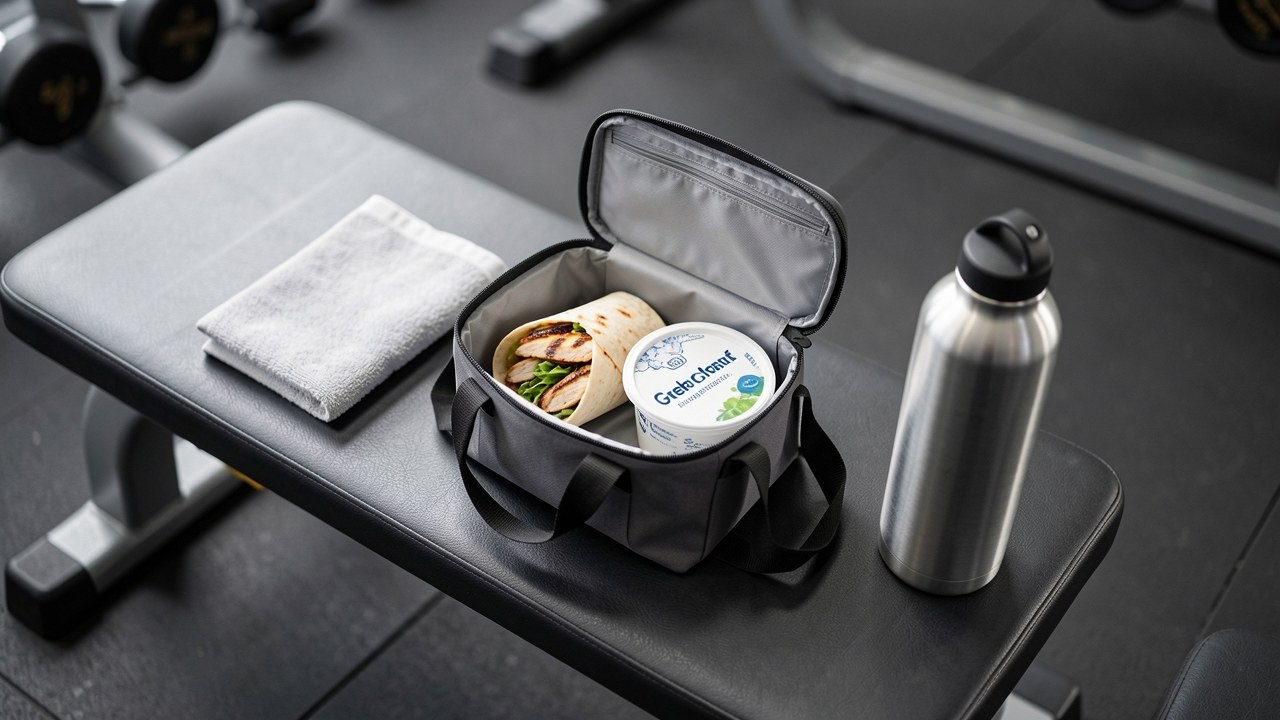
Combining protein with carbohydrate after a workout is a smart strategy. The protein aids muscle repair, while the carbohydrate restores energy. A practical example is a turkey sandwich on whole-grain bread, Greek yogurt with fruit, or a glass of chocolate milk.
This combination also helps with hydration if your food choice includes fluids and electrolytes. Milk, for instance, provides both protein and carbohydrates plus sodium and potassium, making it a natural recovery beverage.
- Post-exercise snack ideas: yogurt with berries, a peanut butter sandwich, or chocolate milk.
- Whole foods like fruit and dairy can cover both needs.
Sources: Michigan State University Extension, University of Nebraska-Lincoln Extension
Sample High-Protein Meal Plan for an Active Day
These meal ideas show how an athlete might spread protein and carbohydrate across the day. A 150-pound (68 kg) athlete aiming for about 1.6 g/kg daily would target roughly 109 grams of protein. Use the amounts as a template and adjust to your weight and training load.
Breakfast: oatmeal made with milk, topped with a scoop of Greek yogurt and a handful of walnuts. Lunch: grilled chicken breast with quinoa and a side of roasted vegetables. Afternoon snack: low-fat cottage cheese with pineapple or a hard-boiled egg with whole-grain crackers. Dinner: baked salmon with sweet potato and a green salad. Post-workout (if needed): a glass of chocolate milk.
This plan provides protein at each meal and snack, hitting the recommended 0.25–0.3 g/kg per eating occasion. Adjust portion sizes upward if you are larger or have intense training days.
- Breakfast: oatmeal with milk and Greek yogurt
- Lunch: chicken breast with quinoa and vegetables
- Snack: hard-boiled eggs or cottage cheese
- Dinner: salmon with sweet potato and salad
- Post-workout: chocolate milk
Sources: University of Nebraska-Lincoln Extension, Michigan State University Extension
Frequently asked questions
How much protein do I need to build muscle?
To build muscle, aim for 1.4 to 2.0 grams of protein per kilogram of body weight per day. Spread that amount evenly across your meals—about 0.25 to 0.3 grams per kilogram per meal—to maximize muscle protein synthesis. For a 150-pound athlete, that's roughly 95 to 135 grams daily.
Sources: University of Illinois, Michigan State University ExtensionIs it better to eat protein before or after a workout?
Both can help, but the post-workout window is more critical. Consuming 20 to 40 grams of protein within 0 to 2 hours after exercise stimulates muscle protein synthesis. A small protein snack before exercise may reduce muscle breakdown, but a heavy meal can cause digestive issues. Aim for a balanced protein intake throughout the day and don't skip the post-workout snack.
Sources: University of Illinois, Michigan State University ExtensionCan I get enough protein without protein supplements?
Absolutely. Protein supplements are not necessary; most athletes meet their needs with whole foods alone. Lean meats, poultry, fish, eggs, dairy, beans, and nuts are excellent sources. These foods also supply additional nutrients that powders don't provide.
Sources: University of Nebraska-Lincoln Extension, Michigan State University ExtensionDo endurance athletes need more protein than strength athletes?
Both types have similar overall needs: 1.2 to 2.0 grams per kilogram daily. Strength athletes may require the higher end (1.4–2.0) to maximize muscle building, while endurance athletes also need adequate protein for repair, especially during heavy training. The exact amount depends on training volume and intensity, not just the sport category.
Sources: Michigan State University Extension, University of IllinoisSources
- Protein Needs of an Athlete (G2336) — University of Nebraska-Lincoln Extension
- Nutrition for Adults' Life: Nutrition for Physical Activity (WO1005) — Michigan State University Extension
- Protein intake for athletes — Michigan State University Extension
- International Society of Sports Nutrition Position Stand: protein and exercise — Journal of the International Society of Sports Nutrition
- CHAPTER 5 – PROTEIN POWER | Sports Nutrition with Professor Toni Gist | Illinois — University of Illinois
- Timing of intake to improve performance in athletes and physically active individuals — Michigan State University Extension